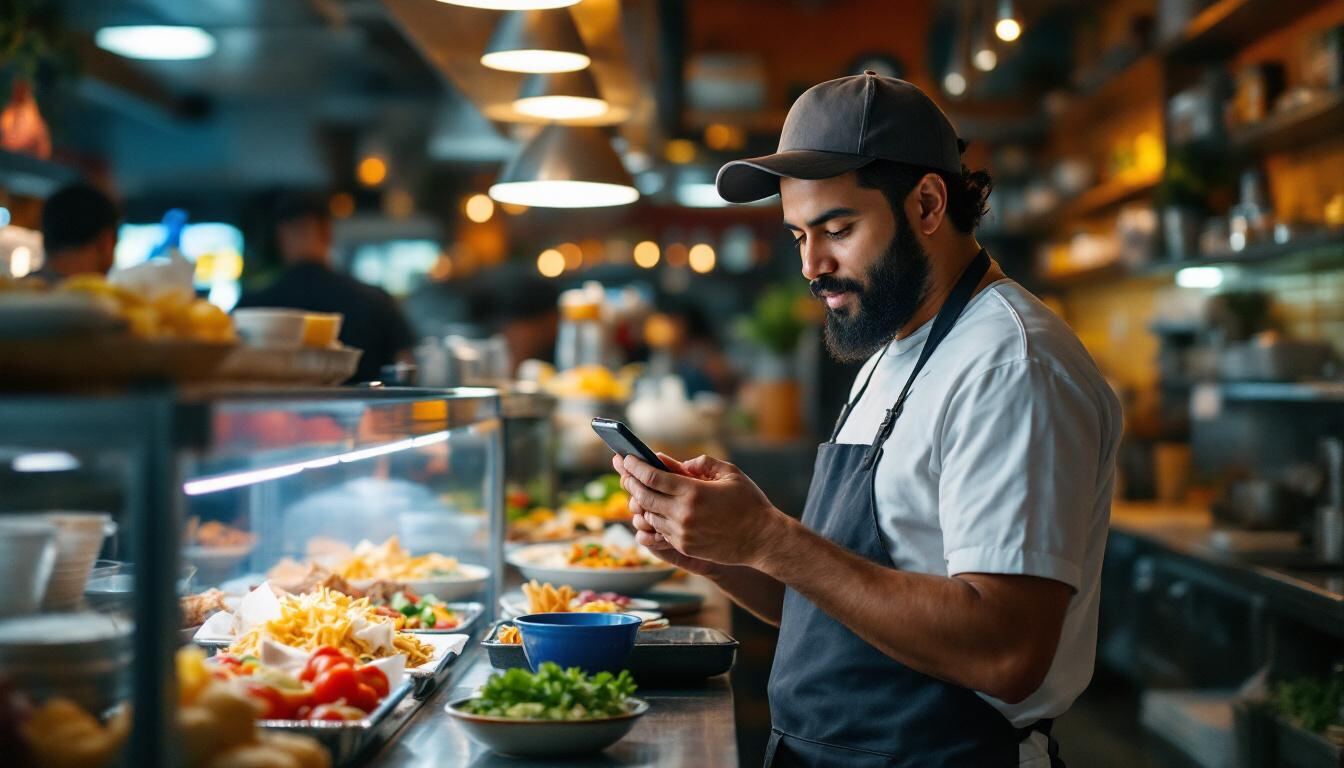
Friday night is the most chaotic moment in any restaurant. Staff answer WhatsApp messages, write orders on paper, shout to the kitchen, and somewhere in the middle, one gets lost. It's not the team's fault: it's the result of using a personal messaging tool to coordinate a production operation.
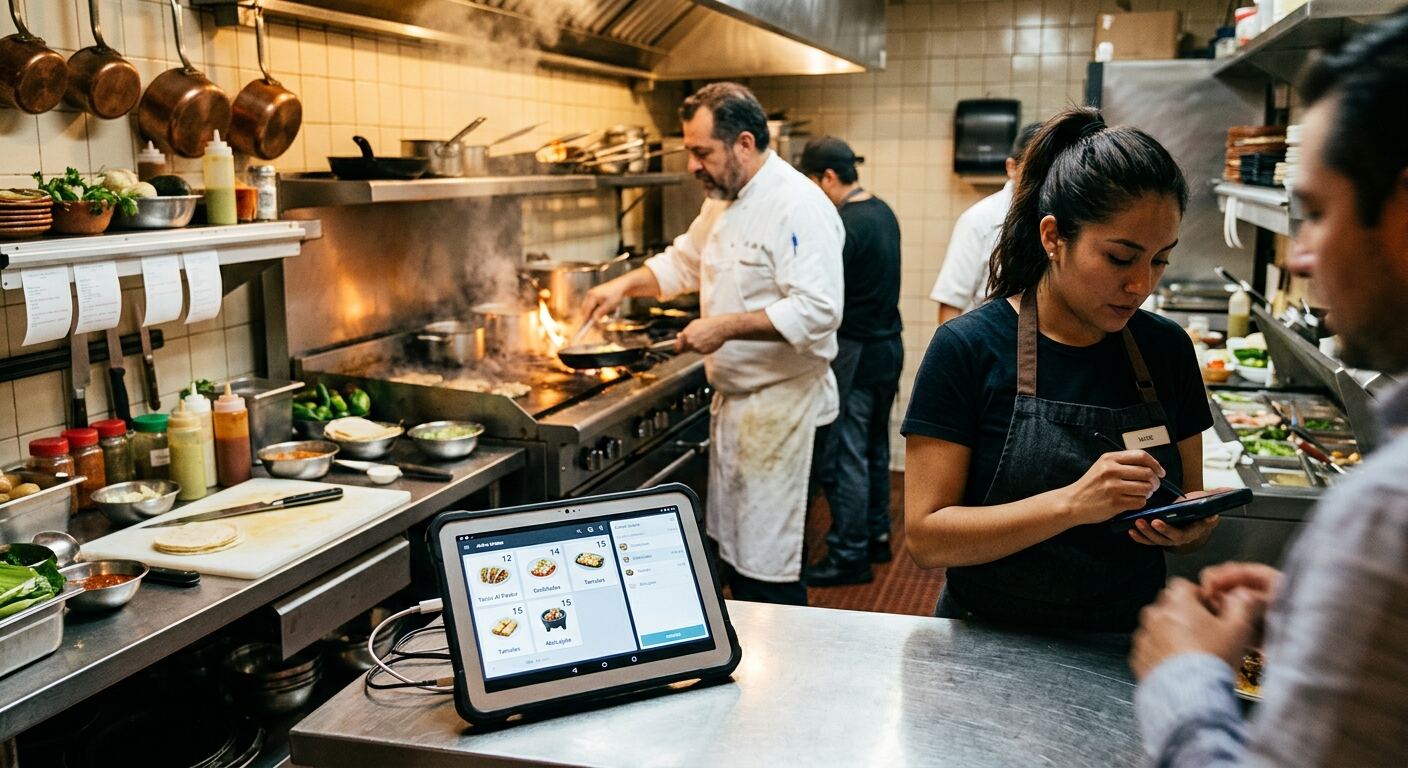
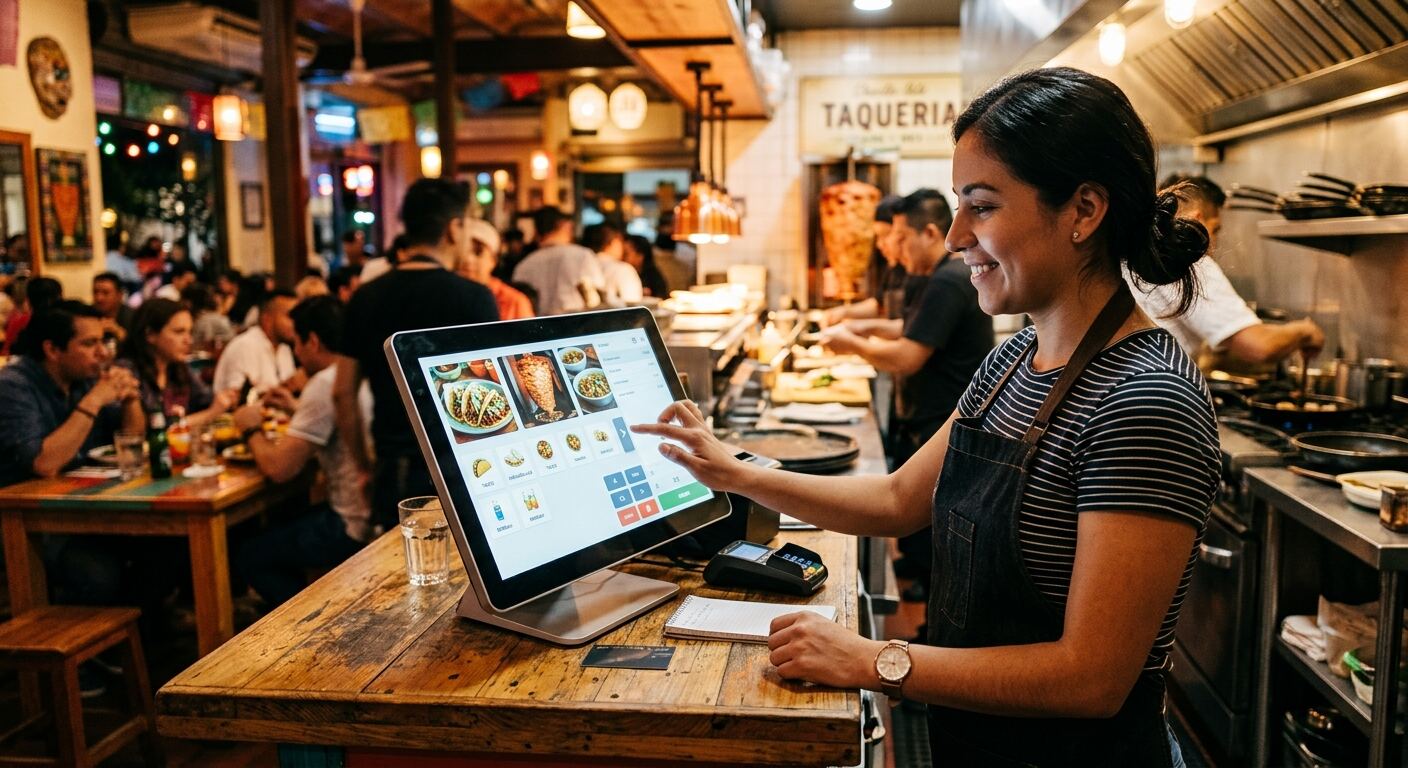
A WhatsApp bot for restaurants isn't a virtual assistant that answers questions. It's an order-taking system that works like an ATM: the customer picks from the menu, confirms their order, pays if applicable, and the kitchen receives a readable ticket the moment the customer confirms. No intermediaries, no papers, no confusion.
The biggest difference is traceability. With this kind of system, every order has an entry time, items, special notes, and preparation status. If there's a complaint, the history is there. If a customer asks how long it'll take, the team knows in one second. That eliminates most customer disputes, which usually aren't about bad intentions but about lack of information.
Restaurants that have implemented this type of system report two immediate changes: first, they stop losing orders on peak days; second, the team stops being in firefighting mode on weekends. The time spent answering repetitive messages redirects to preparing better food and serving in-house customers better.
If your restaurant takes more than 20 WhatsApp orders per day, you've already hit the point where this kind of system pays for itself. The question isn't whether it's worth it, but when to start.